


NAB26 Takeaways: Technology That Lets Your Creatives Create

The Editors

5 Minutes

Every year, NAB arrives with a fresh wave of announcements—new cameras, new software, new promises. But amidst all the flashy demos, product awards, and general buzz, it's the conversations happening in between the keynotes and product demos that tend to stick.
This year, Suite brought these conversations to life by hosting nine live Q&A sessions at our booth featuring an array of current customers—editors, creative directors, producers, and operations leads from companies spanning numerous industries. Our guests included key players from IGN, AccuWeather, Rocket Money, JD Sports, ServiceTitan, Raw Cereal, Fresh Tape Media, and more.
While every conversation was unique, there was one thing that kept coming up: When the technology gets out of the way, my creatives can just go and create.
Despite these teams coming from different industries, having different sizes, and different workflow needs, everyone kept saying the same thing. And honestly… that was the most telling thing about all of it. These weren't teams with simple workflows or small asset libraries; we're talking about media teams running 24/7 news operations, global VFX pipelines, performance marketing machines.
When those teams stop having infrastructure horror stories to tell, and their creatives are focused back on simply editing, something signficant has changed.
When Technology Disappears
Getting files where they need to go has never been a glamorous problem. But it has always cost something between time, money, and creative energy. Drives shipped across the country. Sync jobs running overnight only to show failures in the morning. Editors waiting for access before they can even start. When remote work went from exception to norm in the media industry, the friction compounded, and teams patched their workflows together with solutions that work just fine until they break under the pressure.
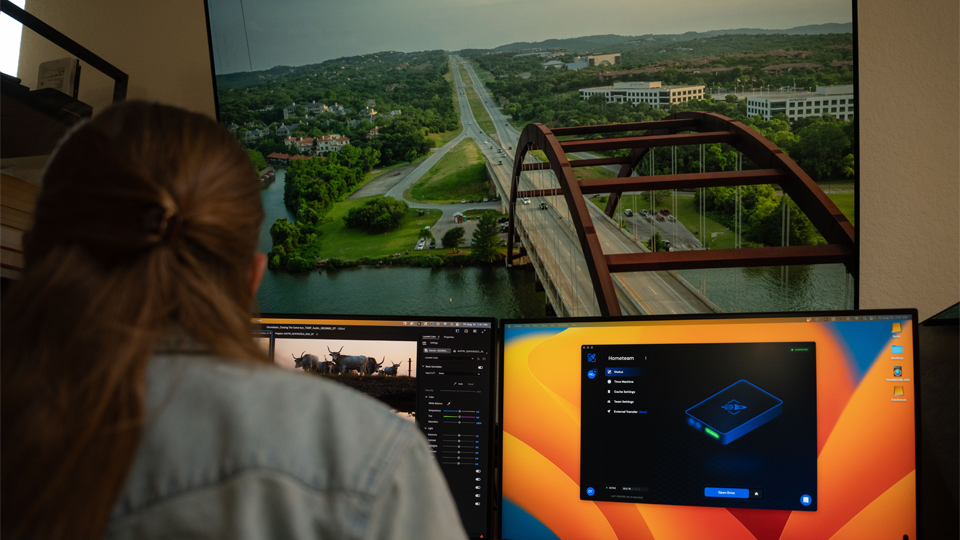
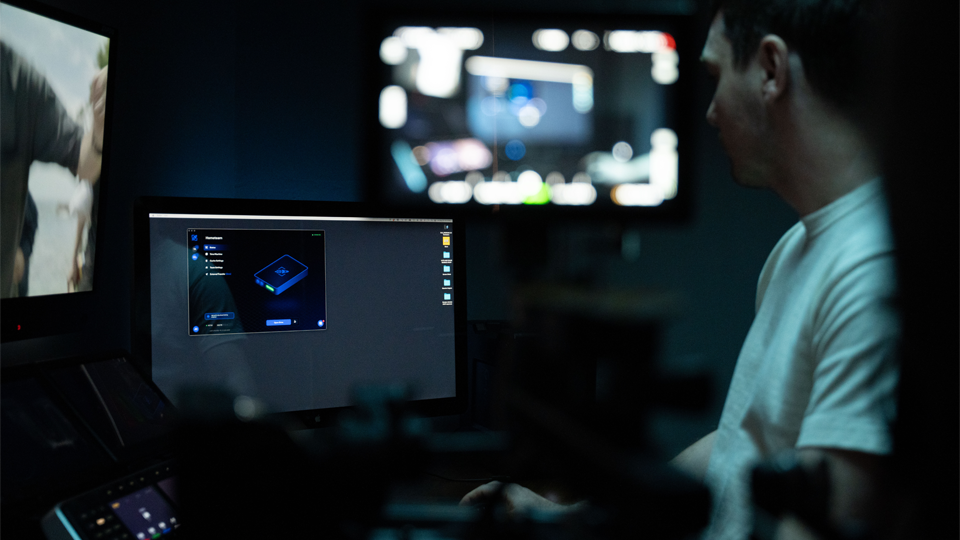
What's different for the teams featured during Suite’s NAB 2026 sessions isn't that they've stopped thinking about infrastructure—it's that their infrastructure, built around Suite's File Streaming, just works. And because it does, something more interesting gets to happen: the creative team focuses on their craft.
Jordan Epstein, director of production and post at IGN, described what it used to look like when his team of 150-plus people spread across LA, San Francisco, Chicago, New York, Australia, and the UK tried to share media under their old setup. A bad day meant editors waiting, transfers stalling, deadlines missed under the weight of media logistics. Today, an editor in London and an editor in Los Angeles can work on the same project at a moment's notice. Gaming & entertainment news never stops, and to support IGN's 40 to 50 original videos every week, having the right cloud storage infrastructure on Suite keeps IGN churning out content on tight deadlines.
Fred Deniz at ServiceTitan puts it differently. His team shoots field content across the United States—job sites, factory floors, real customers—and used to lose significant time just getting footage from a shoot location into the hands of editors. Now, media is ingested directly from the field into Suite, offering immediate access to new media. Editors can be in the material before the crew is back on the plane. ServiceTitan went from roughly one shoot per month to up to five. Not because they hired more people. Because the friction quietly capping their output disappeared.
Less Admin, Better Creative
There's a version of this story that sounds trite. New tool, faster workflow, welcome to the future. But that's not what Suite's NAB speaker sessions were actually about. They were all about what happens when the technology starts to feel invisible—and what happens next for the creative team.
JD Sports' motion graphics and video team is based in Boulder but creates campaigns for a global brand. They talk about creative consistency. When they're no longer switching their attention between "where is this file" and "what asset am I working on," the creative vision stays sharper. They can stay closer to the cultural moment they're trying to capture—and it shows in the work, crafting up hundreds of deliverables for every new campaign.
Trish Mikita at AccuWeather, the media mastermind behind the brand's programming and content operations, says that because "Suite just works" her team can shift their focus to storytelling. With a central source of truth for her team's media—including a large library of archival content—the focus shifts to making the best use of that content, repurposing what already exists into new stories, and driving brand awareness with better content. With media organization handled, Mikita can start asking the more interesting questions.
Josh Lane and Drew Marsh at Rocket Money make a similar point, but from a performance marketing lens. When creative iteration is fast, the team isn't just hitting deadlines more easily. They get to ship V4 instead of V2 because the editing process doesn't have slowdowns. More iterations, better creative, faster to market. The technology makes room for the craft to breathe.
Is Your Technology Working for You?
The teams at NAB who said "it just works" weren't bragging—they were speaking an honest truth about Suite. Most of them had been through the alternative—the drives, the sync failures, the workarounds, the hours spent managing infrastructure instead of making things.
The big takeaway is this: every one of these teams made a deliberate decision to solve the infrastructure problem, and once they did, something shifted. The creative work moved back into focus. Editors could edit. Motion artists could create. The producers could stay focused on the current edit while thinking about the next. The technology disappeared into the background.
The question for any media team still fighting their workflow is a simple one: what would your creatives do with the time they're currently spending on logistics? The answer to that question is probably the most compelling case for getting the infrastructure right—not someday, but now.
Ready to accelerate your creative workflow?
Click here to book a demo with Suite


You may also like


Join our community
Subscribe below.
Newsletter

An error has occurred somewhere and it is not possible to submit the form. Please try again later or contact us.

Four reasons to subscribe to our newsletter


